

Your phone’s list of contacts (the app where you find phone numbers) is probably a bit of a mess, and it’s not something you specifically created to be that way. It’s full of a lot of stuff.
Email addresses you didn’t even want to be there, former colleagues, people you sent a single email to way back in 2019, all mixed up with the contacts you do actually want to keep. Android does this by combining contacts from all the Google accounts on your phone. And what you’re left with is a long, complicated list that’s difficult to use.
This guide shows you exactly how to show only Gmail contacts on Android, step by step, and keep things clean going forward. See How I Stopped Using Gmail on Autopilot: 4 Simple Settings That Changed Everything.
Key Takeaways
- Android automatically pulls contacts from every linked Google account.
- You can filter the Contacts app to show only one Gmail account.
- Disabling contact sync on secondary accounts stops the clutter at the source.
- Google Contacts labels give you even more control over what you see.
- If you disable Contacts sync on your Android device, your phone will stop showing contacts that were previously synced from that account.
What Is Causing the Contact Overload on Your Android Phone
You open your Contacts app to find a number. Instead, you get a wall of names you do not recognize.
This is not a bug. It is how Android works by default.
How Google Syncs Contacts From Every Account You Add
When multiple Google accounts are signed in to the same device, Google contacts from all accounts will automatically sync to that device.
Every account you add brings its own contact list. Your work Gmail, your personal Gmail, your old backup account all dump their contacts into the same app.
That is why you see hundreds of names you never saved yourself.
The “Other Contacts” Problem Most People Miss
Auto syncing would add contacts in your Gmail inbox to your phonebook, your Google web tools, or even your scanned business cards. These synchronized entries usually are of the Other Contacts area, where the people you have mailed but not saved on your hard disk are kept.
Three years ago you sent an e-mail to a plumber. And now he has your contacts forever.
Google achieves this to ensure that autocomplete functions better in Gmail. However, it makes your Contacts a gadget that makes you a list of all the people you have ever chatted with online.
How to Show Only Gmail Contacts in the Android Contacts App
You have a few solid options here. Start with the simplest one.
Method 1: Filter by Account Directly in the Contacts App
This is the fastest fix. It does not delete anything. It just changes what you see.
Here is how to do it:
- Open the Contacts app on your Android phone.
- Tap the three horizontal lines (hamburger menu) in the top left corner.

- Tap Settings.

- Look for Contacts to Display or Filter contacts.
- Select your Gmail account (e.g., [email protected]).
- Tap Done or Save.
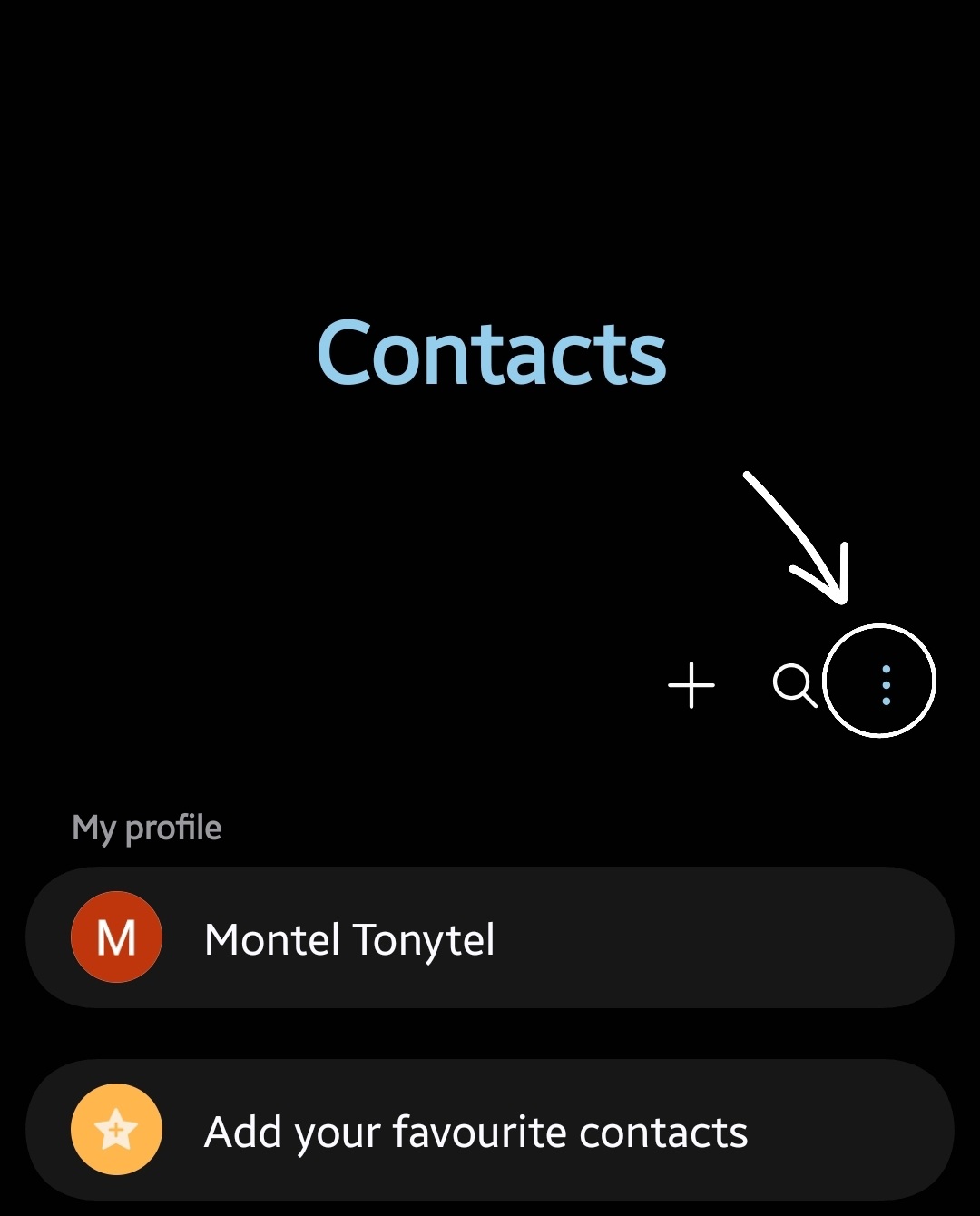
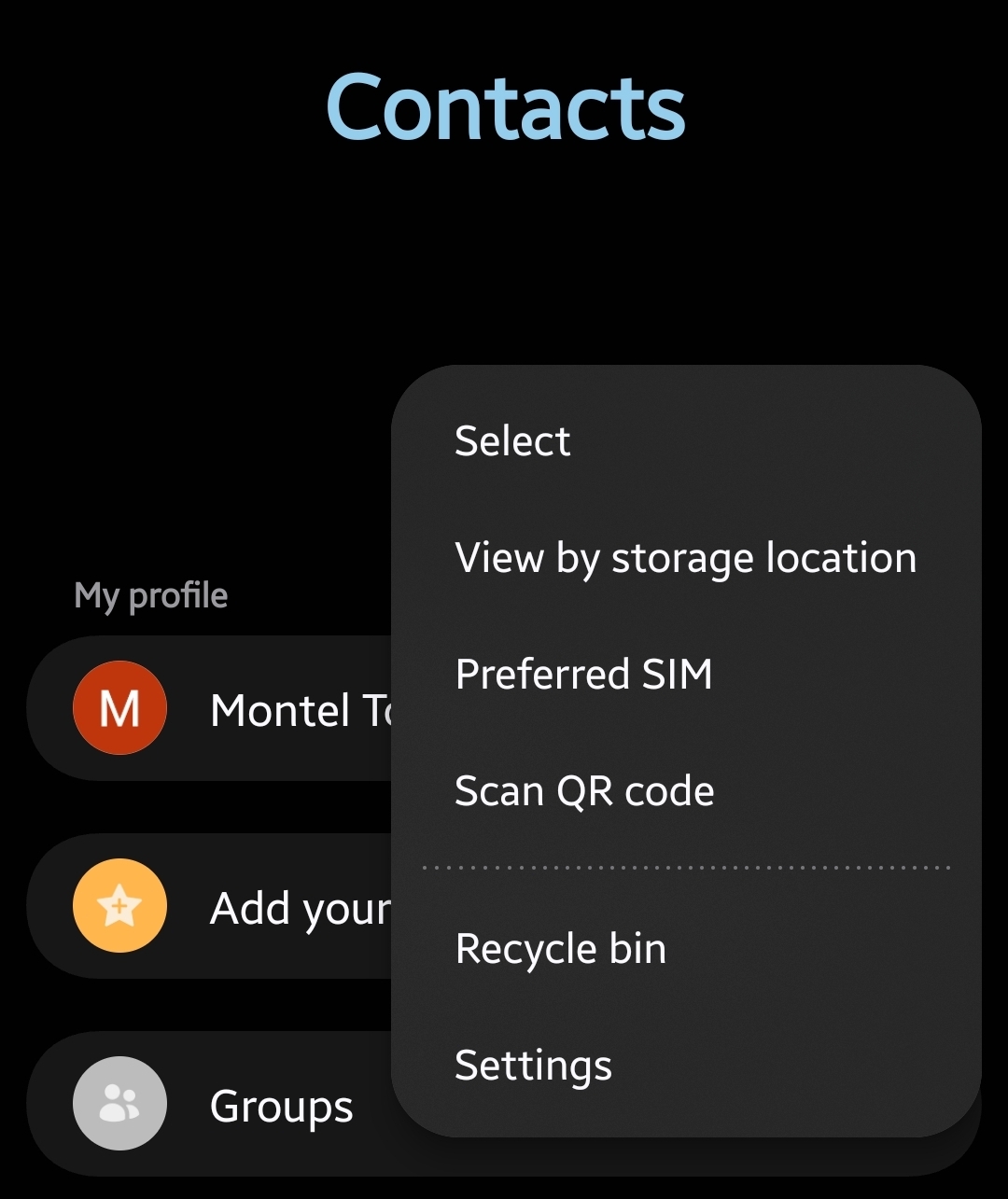
After identifying the accounts that are under the settings, all you need to do is to uncheck the ones you do not desire. Such contacts will not be present in your list.
The Gmail account that you have selected will now appear in your contacts app.
Method 2: Use “Contacts to Display” With a Custom List
Some Android versions and manufacturers give you a Customize option. This lets you go deeper.
- Open the Contacts app.
- Go to Settings, then Contacts to Display.
- Tap Customize.
- Select your Gmail account.
- Check only the contact groups you want to see (like “My Contacts” or “Starred”).
- Uncheck groups you want to hide.
When you uncheck “My Contacts” under a specific Gmail account, those contacts disappear from your phone. When you check only specific groups like “Friends” or “Family,” only those contacts appear in the app.
This method is powerful for people who use Google Contacts labels to organize their list.
Method 3: Disable Contact Sync for Unwanted Accounts
Want a more permanent fix? Turn off contact sync for the accounts you do not want showing up.
To disable Google Contacts sync on your Android device, open the Settings app. Scroll down and tap on “Accounts” or “Users and accounts,” depending on your device. Select your Google account from the list. In the account settings, find the option for “Contacts” and toggle it off.
This stops the account from pushing any new contacts to your phone. It is the cleanest long-term solution.
How to Filter Contacts on Samsung Devices
Samsung phones run One UI on top of Android. The steps are slightly different but the logic is the same.
- Open the Contacts app.
- Tap the three lines in the top left.
- Select Manage contacts.
- Tap Contacts to display.
- Choose your primary Gmail account.
- Tap Done.
Samsung devices sometimes also have a Phone and SIM option here. Uncheck those if you only want Gmail contacts showing.
In the Phone app on Samsung, you can go to the contacts tab, tap the three-dot menu, select “Manage contacts,” then “Sync contacts,” and disable any account you do not want pulling contacts into the dialer.
What to Do When You Have Multiple Gmail Accounts
Managing multiple Gmail accounts on one phone is a common situation. Most people use one for personal contacts and another for work or newsletters.
Here is how to keep things clean:
Disable Contact Sync for Secondary Accounts
You do not need to remove accounts from your phone. You just need to stop them from syncing contacts.
On your Android phone or tablet, open your Settings app. Tap “Passwords and accounts.” Choose the Google account you want to adjust. Tap “Account sync.” Turn off “Contacts.”
Repeat this for every account except the one Gmail account you actually want to see in your Contacts app.
Your email from those accounts still works. Contacts just stop syncing from them.
The Quick-Switch Trick for Multiple Accounts
If you add a new Google account and need to disable contact sync fast, here is a user-tested approach from the Android Central forums:
Remove the Google account that has the contacts you do not need. Once you go back to the Contacts app, those contacts disappear. Then re-add the Google account and immediately go to Accounts and Sync to disable contact sync before it has a chance to pull contacts again.
You have to act quickly when re-adding the account. Contact sync turns on by default the moment you sign in.
Use Google Contacts Labels to Control What You See
Labels are one of the most underused features in Google Contacts. They work like folders.
On your Android device, open the Contacts app. At the top left, tap “Label.” Select a label. This lets you view contacts sorted by that specific group rather than seeing your entire contact list at once.
Here is how to set labels up properly:
- Go to contacts.google.com on a browser.
- Select the contacts you want to group together.
- Click the label icon and create a name (e.g., “Phone Contacts” or “Family”).
- Save the label.
- Back on your phone, use the Contacts to Display setting to show only that label.
This is especially useful if your Gmail has thousands of email addresses but you only want to see 50 real people when you open your Contacts app.
How to Stop Gmail From Adding Random Email Addresses as Contacts
Gmail has a feature called Other Contacts that automatically saves people you email. Many users do not know this is happening.
To turn it off:
- Open Gmail on your desktop browser.
- Click the gear icon and go to See all settings.

- Click the General tab.
- Find Create contacts for auto-complete.
- Select I’ll add contacts myself.

- Click Save Changes.
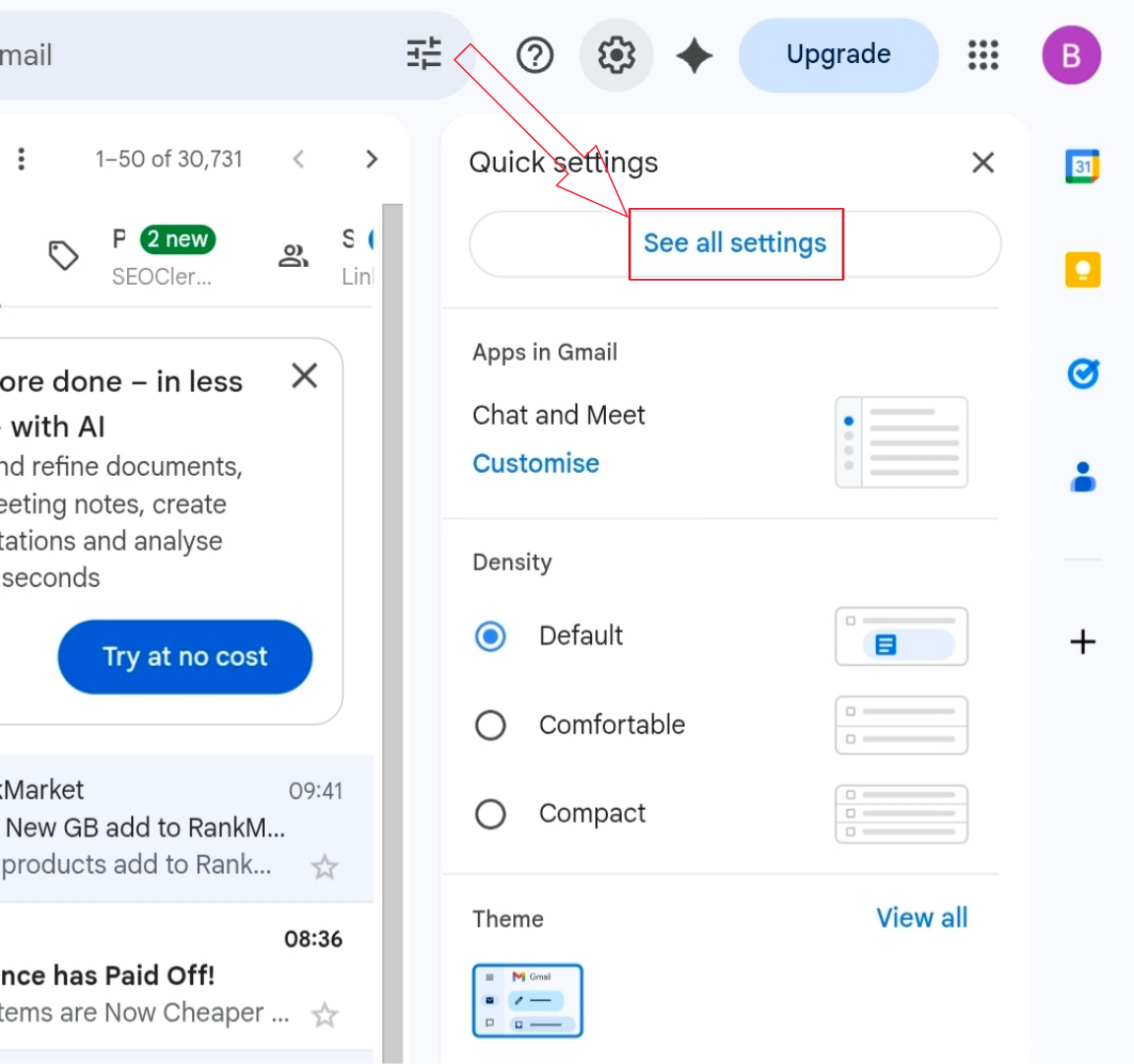
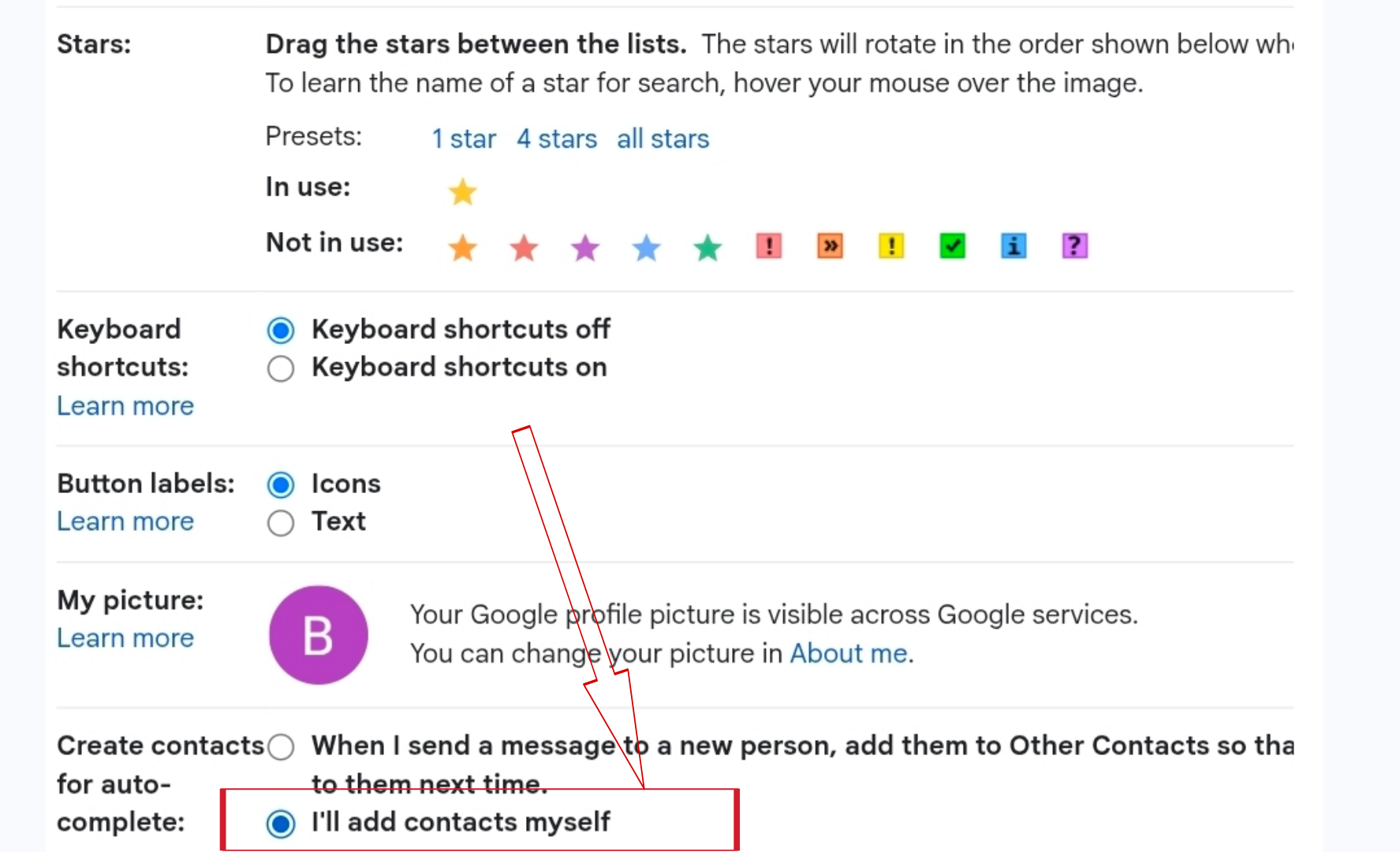
You can access your full Google contacts list by heading to contacts.google.com. From there, you can manage and delete contacts, merge duplicates, and clean up your address book directly.
This stops Gmail from auto-creating contacts going forward. To clean up the ones already there, visit contacts.google.com, click Other contacts in the left sidebar, and bulk-delete what you do not want.
What to Do When Contacts Keep Reappearing After You Delete Them
You deleted those contacts. They came back. Sound familiar?
If you are noticing random names or numbers reappearing even after deletion, the culprit is often background syncing or a Google backup contacts reset.
Here is how to fix this for good:
- Export a backup first. Open the Contacts app, go to Settings, and export contacts as a .vcf file.
- Go to Settings, then Apps. Find “Contacts” or “Contacts Storage.”
- Clear data for the Contacts app. This wipes the local contact database.
- Re-enable sync only for the Gmail account you want.
After exporting a backup and performing a contacts storage clear, re-enable only your own Google account sync to restore only your desired contacts from that specific account.
This method is the most thorough reset you can do without a full factory reset.
How to Verify Your Contacts Are in the Right Place
Before you make changes, it helps to see where each contact is actually stored.
Open a contact in the Contacts app and tap “Edit” or “Details.” Look for “Source,” “Account,” or “Linked to.” This shows you whether the contact is stored in a Google account, on the phone, or on a SIM card.
This matters because filtering the display does not move contacts. It just hides them.
If you want to consolidate everything into one Gmail account:
- Export all your contacts as a .vcf file.
- Import them into your primary Gmail account via contacts.google.com.
- Delete duplicates using the Merge and Fix tool inside Google Contacts.
For a full walkthrough of managing Google Contacts, the official Google Contacts Help page at support.google.com/contacts is the most reliable reference.
A Quick Reference: Which Method Works Best for You
Here is how to choose the right approach:
- You want a quick fix without deleting anything — use Method 1, filter by account in the Contacts app.
- You have multiple Gmail accounts and want only one to show — disable contact sync for the accounts you want to hide.
- You want fine-grained control over which groups appear — use Labels and the Customize display option.
- Contacts keep coming back after deletion — clear Contacts Storage data and re-sync only your primary Gmail account.
- Gmail is adding random email addresses — turn off auto-create contacts in Gmail settings.
If you are running a Samsung device and want step-by-step guidance on Android settings topics like this one, check out more guides at cloudorian.net where similar Android tips are covered in depth.
The Bottom Line
A cluttered contacts list slows you down. It makes your phone feel disorganized.
The good news is that Android gives you the tools to fix it. You just need to know where to look.
Start by filtering the Contacts app to show only your primary Gmail account. Then disable contact sync on every secondary account you do not need.
From there, use Google Contacts labels to keep things organized long term.
You do not need a third-party app. You do not need to delete your accounts. A few settings changes is all it takes.
Discover more from Cloudorian — Android, Samsung & Windows How-To Guides
Subscribe to get the latest posts sent to your email.