

Cloud storage services like Google Drive have become indispensable tools for both personal and professional use. They offer convenience, accessibility, and the promise of never losing our important files. But what happens when you accidentally delete a crucial document or mistakenly remove an entire folder? Don’t panic! In this comprehensive guide, we’ll walk you through the process of recovering deleted files in Google Drive, ensuring that your digital life remains intact.
Read on How To Backup WhatsApp Messages Without Using Google Drive.
Importance of Google Drive
Google Drive has revolutionized the way we store and share files. It’s more than just a cloud storage service; it’s a collaborative platform that allows us to work seamlessly across devices and with team members. From important work documents to cherished family photos, Google Drive houses our digital lives.
Common reasons for file deletion
Before we dive into recovery methods, let’s consider why files get deleted in the first place. Sometimes it’s a simple mis-click, other times it’s a well-intentioned cleanup gone wrong. Maybe you thought you had a backup elsewhere, or perhaps someone else with access to your shared folder made a mistake. Whatever the reason, the good news is that all hope is not lost.
Understanding Google Drive’s File Recovery System
To effectively recover your files, it’s crucial to understand how Google Drive handles deleted items. This knowledge will not only help you in the recovery process but also give you peace of mind about the safety of your data.
A. How Google Drive stores deleted files
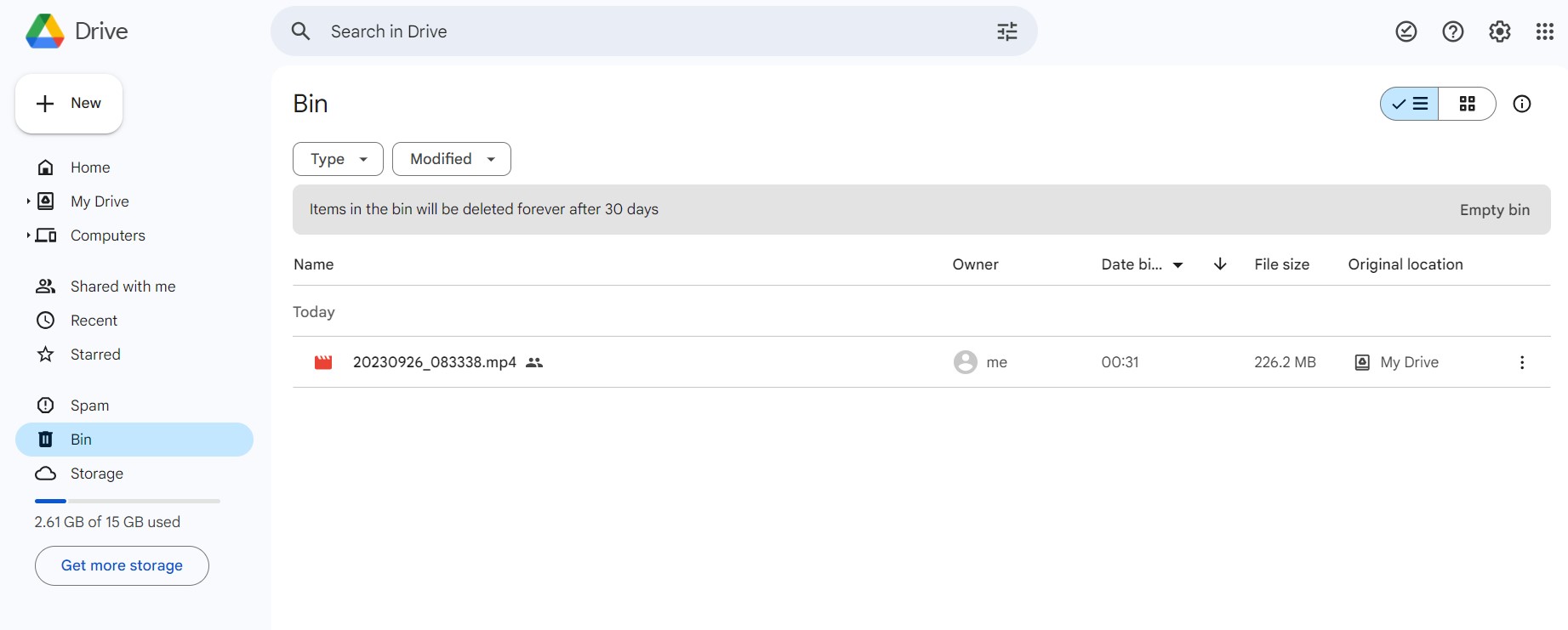
When you delete a file from Google Drive, it doesn’t immediately disappear into the digital ether. Instead, Google moves it to a special folder called “Trash” (or “Bin” in some regions). This is your safety net, giving you a chance to recover files you didn’t mean to delete.
B. Time limitations for recovery
It’s important to note that files in the Trash aren’t stored indefinitely. Google keeps them for 30 days before permanently deleting them. If you’re using a Google Workspace account, your administrator may have set a different retention period. After this period, recovering files becomes much more challenging, if not impossible.
Methods to Recover Deleted Files in Google Drive
Now that we understand the basics, let’s explore the various methods you can use to recover your deleted files. Google Drive offers several ways to retrieve your lost data, depending on how and when it was deleted.
A. Using the Trash/Bin folder
The simplest and most straightforward method is to check your Trash folder. This should be your first port of call when looking for recently deleted files.
B. Restoring from Google Drive’s version history
For files that weren’t entirely deleted but perhaps overwritten or altered, Google Drive’s version history feature can be a lifesaver.
If the file was shared with you by someone else, there are specific steps you can take to recover it, even if it’s no longer in your own Trash.
D. Using Google Drive’s search function
Sometimes, files we think are deleted are actually just misplaced. Google Drive’s powerful search function can help you locate files you might have overlooked.
Step-by-Step Guide: Recovering Files from Trash
Let’s start with the most common scenario: recovering files from the Trash folder. This method is quick, easy, and works for most recent deletions.
Accessing the Trash/Bin folder
- Open Google Drive in your web browser.
- Look for “Bin” in the left sidebar. If you don’t see it, click on “More” to reveal additional options.
- Click on “Bin” to view its contents.
Selecting files for recovery
- Browse through the Trash to find the file(s) you want to recover.
- Click on the file to select it. You can select multiple files by holding Ctrl (or Cmd on Mac) while clicking.
Restoring files to their original location
- Right-click on the selected file(s).
- Choose “Restore” from the context menu.
- The file(s) will be moved back to their original location in your Google Drive.
Recovering Files Using Version History
Google Drive’s version history feature is a powerful tool for recovering older versions of files or undoing unwanted changes.
Understanding version history
Version history keeps track of changes made to your files over time. This is especially useful for collaborative documents or files you frequently edit.
Accessing previous versions of a file
- Open the file in Google Drive.
- Click on “File” in the top menu.
- Select “Version history” and then “See version history.”
Restoring an older version
- In the version history panel, browse through the different versions.
- Select the version you want to restore.
- Click “Restore this version” to revert the file to that state.
When it comes to shared files, the recovery process might involve a few extra steps.
- Look in the “Shared with me” section of your Google Drive.
- If the file was in a shared folder, check if it’s still there or in that folder’s Trash.
Contacting the file owner
If you can’t find the shared file:
- Reach out to the person who shared the file with you.
- Ask them to check their Trash or restore the file from their end.
Using Google Drive’s Search Function for Recovery
Sometimes, files we think are deleted are actually just misplaced. Google Drive’s search function can be a powerful ally in these situations.
Advanced search techniques
- Use the search bar at the top of Google Drive.
- Click on the options icon (three vertical dots) in the search bar to access advanced search.
- Use filters like file type, owner, and date modified to narrow your search.
Filtering search results
- After performing a search, use the options at the top of the results to filter by file type, ownership, and more.
- Look for the “All locations” dropdown to include Trash in your search if it’s not showing up by default.
Prevention: Best Practices to Avoid File Loss
While knowing how to recover files is crucial, preventing loss in the first place is even better. Let’s look at some best practices to keep your files safe.
Regular backups
- Consider using Google Takeout to periodically download a copy of your entire Google Drive.
- For critical files, maintain copies on a local hard drive or another cloud service.
Organizing files effectively
- Use a clear folder structure to minimize accidental deletions.
- Implement a naming convention that makes files easy to identify and locate.
Using Google Drive’s starring feature
- Star important files by right-clicking and selecting “Add to Starred.”
- Regularly review your starred files to ensure critical documents are easily accessible.
Troubleshooting Common Recovery Issues
Even with Google Drive’s robust recovery options, you might encounter some challenges. Here’s how to address common issues.
Files not appearing in Trash
If you can’t find a file in Trash:
- Check if it was deleted more than 30 days ago.
- Verify if it was a shared file that the owner might have deleted.
- Ensure you’re signed in to the correct Google account.
Recovery time limitations
Remember:
- Files in Trash are only kept for 30 days (or the period set by your administrator).
- Set a reminder to regularly check and clear your Trash to avoid losing files permanently.
Storage quota issues
If you’re running out of storage:
- Files in Trash still count towards your quota.
- Consider upgrading your storage plan or deleting unnecessary files to make room for recoveries.
Alternative Recovery Methods
When all else fails, there are still a couple of options you can explore.
Third-party recovery tools
While not officially supported by Google, some third-party tools claim to recover permanently deleted Google Drive files. Use these with caution and research thoroughly before trusting any service with your data.
Contacting Google Support
In dire situations:
- Reach out to Google Support through your account settings.
- Be prepared to provide detailed information about the lost files and when they were deleted.
Understanding Google Drive’s Storage Policies
Knowing how Google Drive manages storage can help you make informed decisions about your file management.
Storage limits
- Free accounts come with 15 GB of storage shared across Google Drive, Gmail, and Google Photos.
- Paid plans offer additional storage, ranging from 100 GB to 30 TB.
Impact on file recovery
- Exceeding your storage limit can prevent you from recovering files.
- Regularly review your storage usage to ensure you have enough space for potential recoveries.
Recovering Files on Mobile Devices
The recovery process on mobile devices is similar but with a slightly different interface.
Using the Google Drive app
- Open the Google Drive app on your mobile device.
- Tap the menu icon and select “Trash.”
- Select the files you want to recover and tap the “Restore” option.
Differences between mobile and desktop recovery
- The mobile app might have a simplified interface with fewer advanced options.
- Some features, like detailed version history, might be easier to access on desktop.
Security Considerations During File Recovery
While recovering files, it’s important to keep security in mind.
Protecting sensitive information
- Be cautious when recovering files containing personal or confidential information.
- Ensure you’re on a secure network when accessing sensitive recovered files.
Verifying file integrity after recovery
- Open recovered files to ensure they’re not corrupted.
- For important documents, compare the recovered version with any backups you might have.
Future of File Recovery in Google Drive
As technology evolves, so too will file recovery methods.
Potential improvements
Google continuously updates its services. Future improvements might include:
- Extended recovery periods.
- More granular control over file versions.
- Enhanced AI-powered search for lost files.
Emerging technologies in data recovery
Keep an eye on developments in:
- Blockchain for more secure and traceable file storage.
- Advanced machine learning algorithms for predictive file management.
Conclusion
Losing files can be a stressful experience, but with Google Drive’s recovery options, all is not lost. By understanding how Google Drive stores and manages deleted files, and by following the steps outlined in this guide, you can increase your chances of successfully recovering lost data. Remember to regularly back up your most important files and stay organized to minimize the risk of accidental deletions. With these tools and knowledge at your disposal, you can use Google Drive with confidence, knowing that your digital life is well-protected.
FAQs
- Q: Can I recover files deleted more than 30 days ago from Google Drive?
A: Unfortunately, Google Drive permanently deletes files from the Trash after 30 days. However, if you’re using a Google Workspace account, your administrator might have set a different retention period. - Q: Will recovering files from Trash use up my Google Drive storage?
A: No, recovering files from Trash won’t use additional storage. The files were already counting towards your storage quota even when they were in the Trash. - Q: Can I recover a file if someone else deleted it from a shared folder?
A: If you’re not the owner of the file, you’ll need to contact the person who shared it with you and ask them to restore it from their Trash. - Q: Is it possible to recover files from Google Drive if my account was hacked?
A: If you suspect your account was compromised, immediately change your password and enable two-factor authentication. Then, check your Trash and recent activity. If files are missing, contact Google Support for assistance. - Q: Are there any third-party tools that can recover permanently deleted Google Drive files?
A: While some third-party tools claim to recover permanently deleted files, their effectiveness is not guaranteed, and using them may pose security risks. It’s always best to rely on Google’s official recovery methods and maintain regular backups.
Discover more from Cloudorian — Android, Samsung & Windows How-To Guides
Subscribe to get the latest posts sent to your email.